
What Are the Dangers of Ignoring Your Gutters?
Published • Updated
The main dangers of ignoring your gutters
Gutters are designed to quietly and efficiently move rainwater away from your property. When they’re ignored, blocked, or poorly maintained, the damage they can cause is often far more serious (and expensive) than most homeowners realise.
Below are the most common risks of neglected gutters in the UK climate.
- Gutter & fascia damage
- Damp & mould
- Foundation issues
- Pest infestations
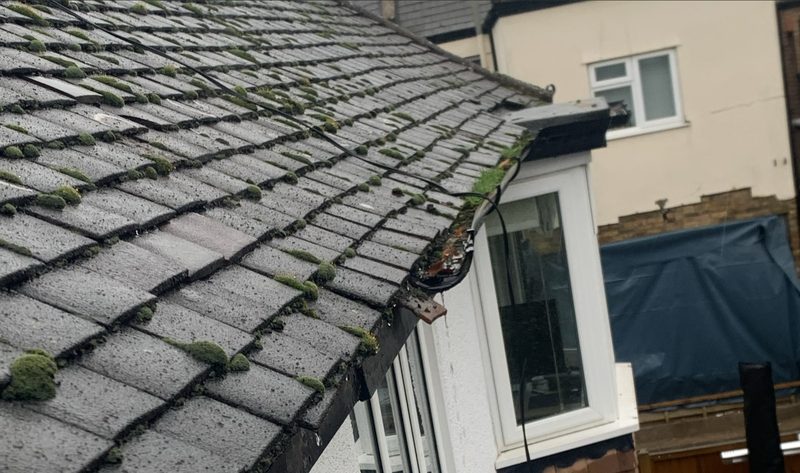
Gutter & Fascia Damage
This is one of the most common problems we see when gutters haven’t been cleaned for months or even years.
When gutters become blocked with moss, leaves, and debris, they begin to hold far more water than they are designed to. This constant weight dramatically reduces the lifespan of seals, joints, and brackets. Water then needs somewhere to go, so it inevitably overflows over the sides of the gutter and runs directly down the fascia boards.
Because this water is no longer being drained away properly, your fascias remain constantly wet. Over time, this leads to rot. Before complete failure, you may notice:
- Gutters starting to sag
- Joints pulling apart
- Gutters becoming misaligned
This happens because the fixings can no longer anchor into rotten timber. Eventually, sections of guttering can pull away entirely and fall off the property.
If you have uPVC fascias, you are still not completely in the clear. Although the outer fascia is plastic, it is almost always fixed to a timber backing board. If that timber is exposed to constant moisture, it will still rot, just more slowly. Once this happens, replacing uPVC fascia and guttering often costs more than replacing traditional timber, as larger sections usually need to be removed and refitted.
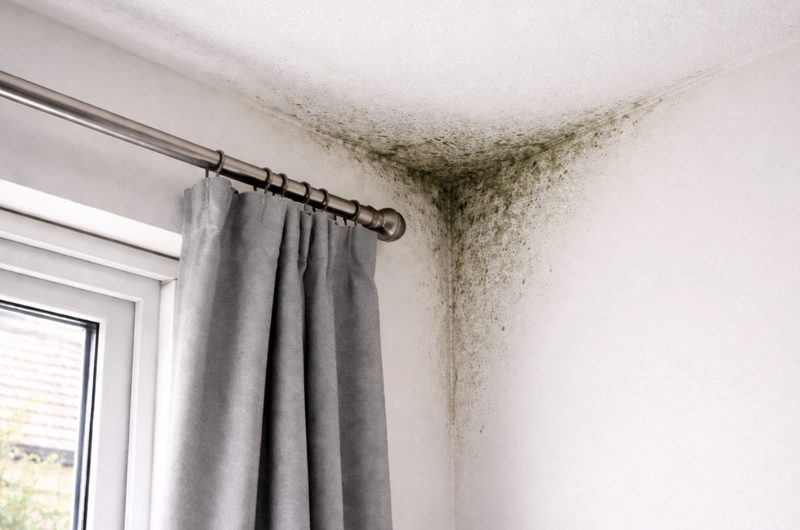
Damp & Mould
As mentioned above, when gutters overflow, water can run down the outside of the fascia or, in some cases, back towards the property.
If your gutters sit high on the fascia (which many do), overflowing water can begin to weep behind the fascia board. This is particularly problematic because the rear of the fascia is not exposed to airflow or sunlight, meaning it takes far longer to dry out.
The real danger here is water ingress.
Once moisture gets behind the fascia, it can track into the wall cavity. With uPVC fascias, water that becomes trapped often has only one escape route, through the wall itself.
This can lead to:
- Persistent internal damp patches
- Peeling paint and bubbling plaster
- Black mould forming on walls or ceilings
Black mould is not just unsightly; it can cause health issues such as respiratory problems, skin irritation, and general illness, particularly for children or those with asthma. Even once treated, mould often leaves staining and can be difficult to remove completely.
If damp reaches ceiling level, water may sit unnoticed for a long time, slowly spreading across joists and insulation, and potentially interacting with electrical wiring. Left unchecked, this can compromise the ceiling structure itself, leading to sagging or even collapse in extreme cases.
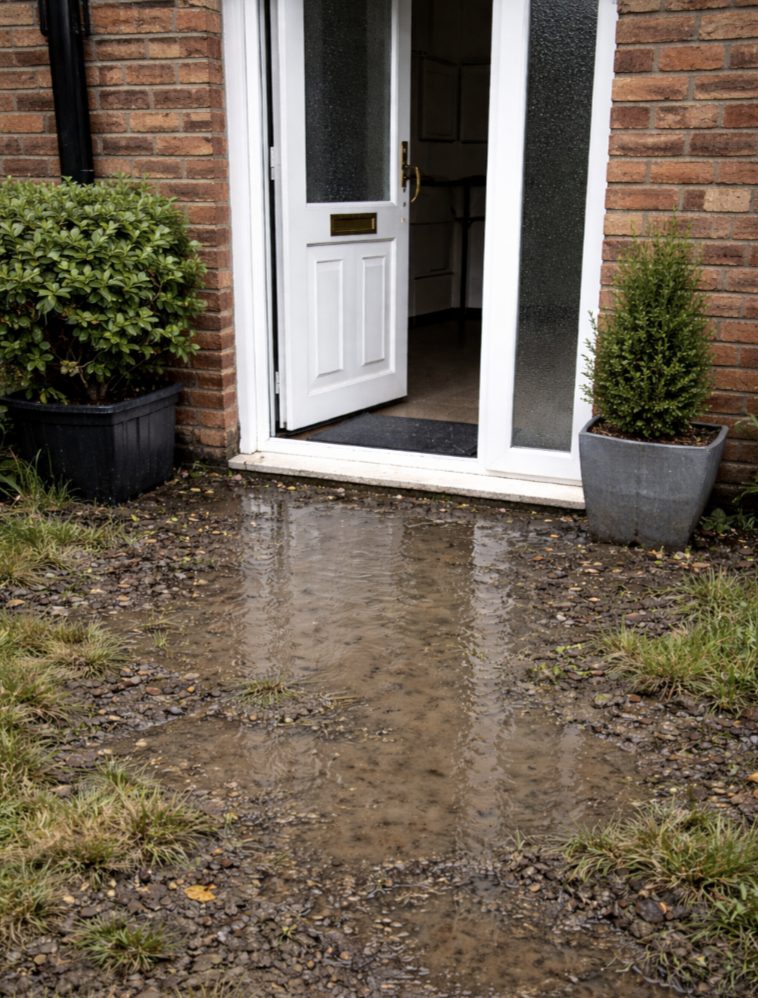
Foundation Issues
Gutters exist to channel water safely away from your home. When they fail, large volumes of water are dumped directly at the base of the property.
In the UK, where we experience prolonged wet seasons, this can be particularly damaging. Saturated ground around your home can remain boggy for extended periods, placing continuous pressure on the foundations.
Over time, this excess moisture can:
- Penetrate wall cavities
- Degrade or compress cavity wall insulation
- Encourage moisture to wick up brickwork
Brick and mortar are porous materials. Constant exposure to water can soften mortar joints, reduce their strength, and make external walls more vulnerable to driving rain. In colder months, trapped moisture can also contribute to freeze-thaw damage, accelerating deterioration.
While foundation damage often develops slowly, it is one of the most expensive problems to fix once it becomes serious, and it often starts with something as simple as blocked gutters.
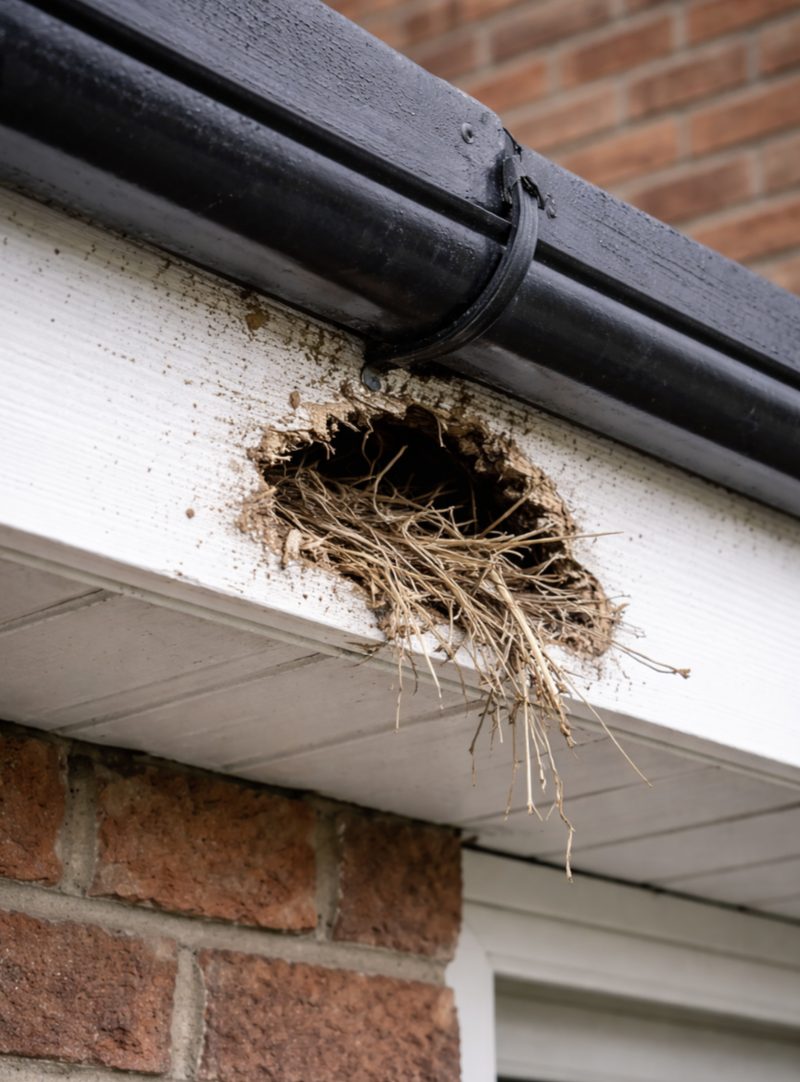
Pest Infestations
Blocked gutters create the perfect environment for pests, especially in UK residential areas.
Wet leaves, moss, and standing water provide shelter and nesting material for:
- Birds
- Rodents
- Insects
Birds commonly nest in clogged gutters, and once nesting material builds up, it accelerates blockages even further. Rodents are attracted to damp, sheltered areas and can use guttering and rooflines as access points into loft spaces.
Stagnant water in gutters can also attract insects, which then become a food source for larger pests. Once pests establish themselves near your roofline, it becomes far easier for them to find entry points into the property.
Pest infestations don’t just cause noise and mess, they can damage insulation, chew wiring, and introduce health risks into the home.
Final Thoughts
Ignoring your gutters may seem harmless at first, but the knock-on effects can impact almost every part of your property, from the roofline to the foundations.
Regular gutter cleaning is one of the simplest and most cost-effective forms of home maintenance, helping to prevent expensive repairs, damp problems, and structural damage.